Six OutfitReps products for this guide
Every button below opens the exact OutfitReps product detail page used in this outfit plan.
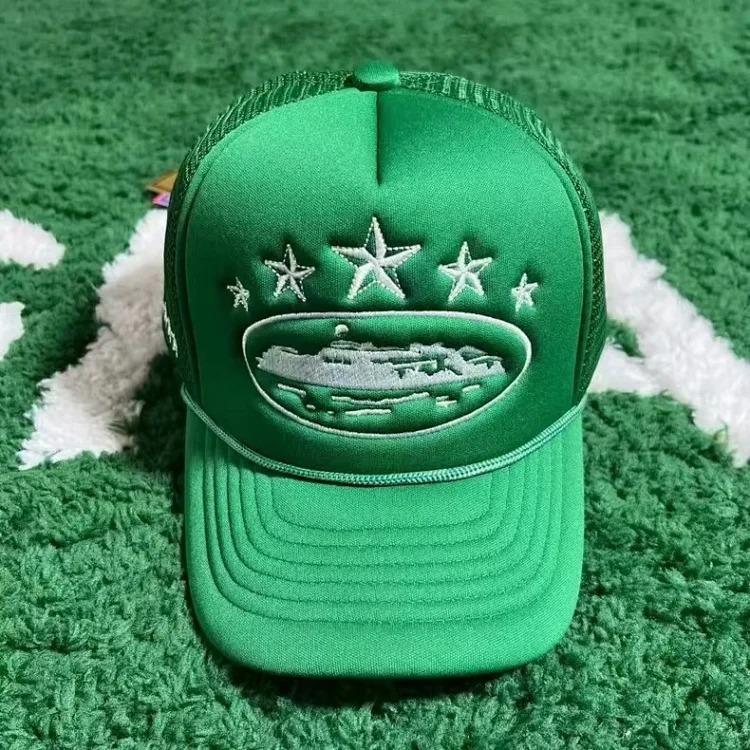
Corteiz 5 Starz Alcatraz Trucker American truck hat foreign trade trendy brand embroidered sun protection card
View product on OutfitReps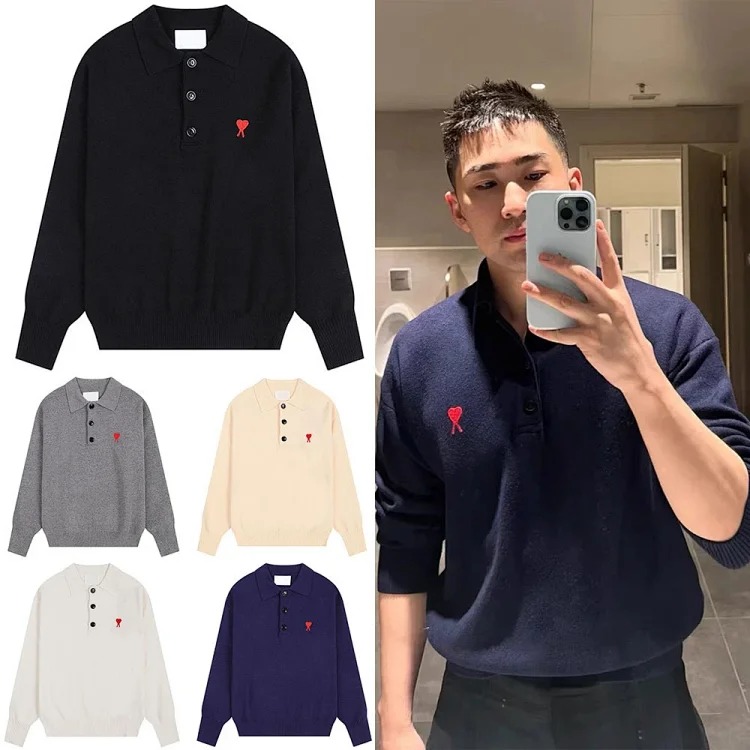
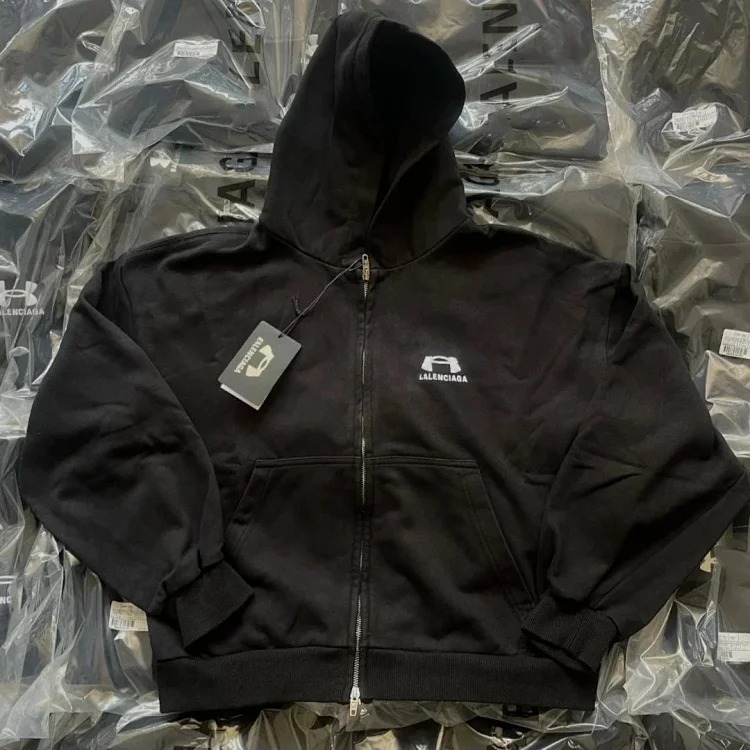
Embroidered sweatshirt zipper hoodie loose OS fit zipper sweatshirt jacket
View product on OutfitReps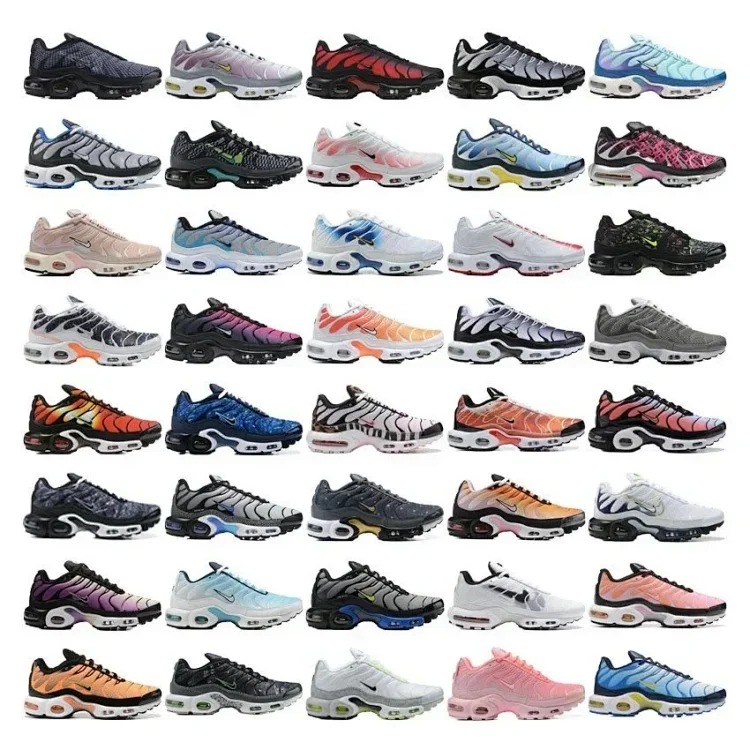
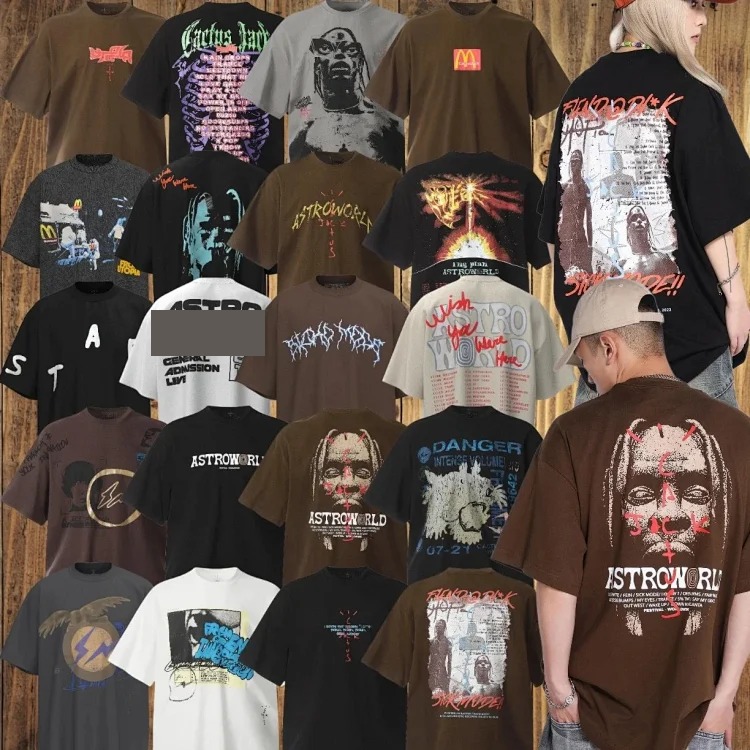
TRAVIS SCOTT American street short-sleeved 24ss new album peripheral VINTAGE niche trendy brand retro T-shirt
View product on OutfitReps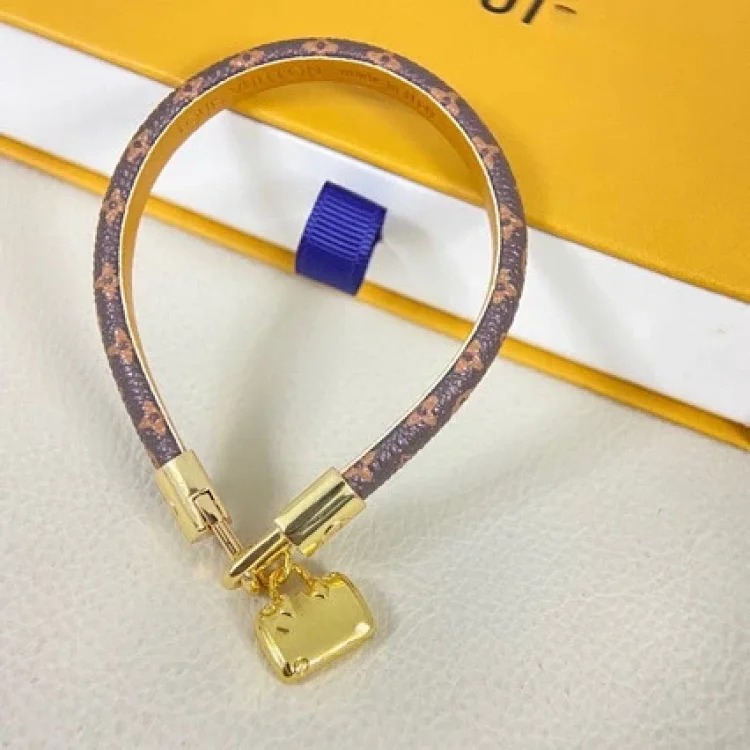
Word buckle leather cord V letter presbyopic leather backpack leather bracelet Women's foreign trade leather bracelet
View product on OutfitRepsHow This PandaBuy Product Research Guide Helps
This PandaBuy Workwear Product Finds and QC Checklist solves a specific product-research problem before a buyer opens or saves a listing. Use the six examples as a comparison board, then verify photos, seller information, measurements, construction details, agent-route restrictions, and estimated shipping cost. The goal is not to collect random links; it is to create a traceable PandaBuy spreadsheet decision with enough evidence to compare options, reject weak listings, and keep only finds that fit the intended outfit, budget, sizing needs, and international shipping plan.
This clean workwear street outfit guide is designed as a complete decision-making guide rather than a loose collection of links. The central goal is a refined workwear outfit, with a palette built around olive, ecru, navy, and dark brown. Every choice should support real use during daily city wear and creative workplaces. Start by reading the outfit as one silhouette, then judge each product for comfort, proportion, color, and repeat value. The six OutfitReps selections shown in this guide give you a top layer, a base or mid layer, trousers, footwear, and finishing options. You can buy fewer than six pieces and still use the framework; the important result is a coherent outfit that works with items already in your wardrobe.
The visual direction depends on useful details without excessive bulk. That sentence is the filter for every later decision. When a garment looks exciting but pushes the outfit away from that shape, it is probably a separate purchase rather than part of this plan. Product photography can exaggerate volume, so compare shoulder width, body length, trouser opening, shoe profile, and accessory scale. Imagine the pieces from a normal standing distance, not only as individual close-ups. A successful outfit has a clear center of attention, a controlled supporting layer, and enough quiet space for the eye to understand the combination without treating every item as a competing statement.
Use Corteiz 5 Starz Alcatraz Trucker American truck hat foreign trade trendy brand embroidered sun protection card as the first anchor candidate. Study its outline before its graphics or branding. The anchor establishes whether the outfit feels cropped, elongated, boxy, technical, athletic, or classic. If it is roomy, the next layer should sit cleanly beneath it and the lower half should avoid uncontrolled extra fabric. If it is compact, you can permit more width in the trousers or footwear. Open the OutfitReps detail page and compare every available image. Look for the hem position, sleeve construction, fastening system, and any visible lining. Those details tell you whether the piece can carry the outfit or should become a secondary option.
Next consider Loose love letter pullover long sleeve sweater for men and women as the balancing layer. A balancing layer does not need to be boring; its job is to connect the anchor to the rest of the outfit. Check whether its fabric looks matte, brushed, washed, knitted, or slightly reflective. Pairing two equally shiny or heavily textured items often makes an outfit look busier than intended. Within the proposed palette of olive, ecru, navy, and dark brown, choose a shade that either repeats a small detail from the anchor or creates a deliberate light-to-dark step. The neckline and visible hem matter too, because even a few centimeters of exposed fabric can make layered proportions look planned instead of accidental.
The lower half can be organized around Embroidered sweatshirt zipper hoodie loose OS fit zipper sweatshirt jacket. Trousers and lower-body pieces determine how the outfit moves and where visual weight gathers. Compare the product image with a pair you own, paying attention to rise, thigh room, knee shape, and opening width. A wider leg benefits from a shoe with enough volume, while a narrow or tapered shape needs a cleaner upper half so the outfit does not become top-heavy. For daily city wear and creative workplaces, mobility matters as much as appearance. You should be able to sit, walk, climb stairs, and carry daily items without constantly adjusting the waistband, hem, or pocket placement.
Treat Nike Max Plus TN (2)Sneakers as the ground point of the outfit. Footwear visually completes the line created by the trousers, even when the product belongs to another category. Look at sole thickness, toe shape, panel contrast, and apparent weight. A substantial shoe can stabilize oversized clothing, while a low-profile design can make tailored or straight pieces feel sharper. The safest color connection is not an exact match; it is a repeated temperature or tone. Warm cream can support brown and olive, while cool grey can support black, navy, and blue. Check the direct product page for construction photographs and use the size information provided there as your starting reference.
The fifth selection, TRAVIS SCOTT American street short-sleeved 24ss new album peripheral VINTAGE niche trendy brand retro T-shirt, is the utility or personality layer. Ask what practical problem it solves. It might add weather protection, storage, warmth, visual contrast, or a finishing detail. If it does none of those things, it may be unnecessary for this particular outfit. Utility is especially valuable during daily city wear and creative workplaces, because clothing must work through changing conditions rather than only during a photograph. Review the image for pocket access, closures, strap positions, ribbing, and seam placement. Small construction choices influence comfort and durability, and they also decide whether the product looks integrated with the other five pieces.
Use Word buckle leather cord V letter presbyopic leather backpack leather bracelet Women's foreign trade leather bracelet as the final editing tool. This sixth piece should make the outfit feel complete, not merely increase the shopping total. It can repeat one color, introduce a restrained contrast, or make the overall shape more useful. Before keeping it in the plan, remove it mentally and compare both versions. If the outfit becomes clearer without it, save the item for another guide. If the outfit loses function or looks unfinished, the piece has earned its place. This editing habit is one of the simplest ways to avoid impulse purchases while still building expressive combinations from OutfitReps product discoveries.
Color planning begins with hierarchy. For this guide, olive, ecru, navy, and dark brown should not appear in equal amounts. Choose one dominant base, one secondary tone, and one accent that occupies the smallest area. A useful ratio is roughly sixty percent base, thirty percent secondary, and ten percent accent, but the exact numbers can change with garment size. Compare product images on the same screen because identical color names can represent very different shades. Daylight photography, studio lighting, and screen brightness all influence perception. If two shades almost match but do not quite agree, separate them with a neutral layer instead of forcing them directly beside each other.
Proportion planning is easier when you identify three horizontal points: the top hem, the waist or jacket break, and the point where trousers meet footwear. These lines control how tall, compact, relaxed, or structured the outfit appears. Avoid placing every line at the same visual level, because that can divide the body into awkward blocks. When the top is long, create definition with a visible layer or stronger shoe. When the top is short, make sure the trousers have enough rise and the underlayer does not create an accidental gap. Product dimensions are more reliable than generic labels such as slim, regular, or oversized.
Texture gives a restrained outfit depth without requiring more graphics. Limit the combination to two major textures and one minor accent. For example, washed cotton can sit beside smoother nylon, while a knit or leather-like detail provides the finishing contrast. Repeating six unrelated surfaces makes the outfit hard to read. Zoom into the OutfitReps images and note how fabric catches light around folds, seams, and edges. A shiny surface usually looks more prominent and can appear larger; a matte surface recedes and creates calm. Use that visual behavior to decide which product should lead and which products should quietly support the complete look.
PandaBuy QC Checklist for Photos, Size, and Seller Details
Sizing should be based on comparison rather than instinct. Measure a similar garment that already fits well, laying it flat and recording shoulder, chest, length, waist, rise, inseam, and opening where relevant. Compare those numbers with the size information on each product detail page. Decide the intended fit before choosing a size: an anchor jacket may need room for a layer, while a base T-shirt may need a cleaner shape. Do not automatically size up every streetwear item. Excess fabric in several pieces at once can erase the silhouette. If measurements are missing or unclear, treat that uncertainty as a reason to pause and ask for clarification before ordering.
Quality review starts with visible evidence. Inspect stitching paths, print alignment, embroidery density, zipper placement, sole joins, hardware finish, and the symmetry of repeated details. Look for multiple product angles rather than relying on the most flattering image. A clean title and attractive cover photo do not guarantee that every option or colorway is identical. When the page offers variants, confirm that the selected thumbnail and description match the version you intend to buy. Save the exact product URL rather than only the category page. This keeps the cart traceable and ensures every product button in this guide leads to the specific OutfitReps detail page used for planning.
Agent Route and Shipping Notes for PandaBuy Product Finds
Climate changes the order in which these products matter. During daily city wear and creative workplaces, identify the warmest, wettest, or most active part of the day and build for that moment first. Removable layers are more useful than one heavy piece when conditions shift. Breathable base fabrics, ventilation, and comfortable footwear can matter more than a dramatic outer layer. If rain or cold is likely, make room for protection without destroying the palette. The best outfit remains recognizable after a layer is removed. That means the base combination should already be complete, while outerwear adds function and emphasis rather than hiding an unfinished set of clothes.
Movement testing is essential for a refined workwear outfit. Before purchasing, imagine the practical sequence of the day: getting dressed, carrying a bag, sitting on transport, walking outdoors, entering a warmer room, and returning home. Check whether sleeves interfere with a watch or bag strap, whether the jacket hem catches on a seat, and whether trouser volume works with the footwear. An outfit that needs constant correction will not become a reliable rotation piece. Favor products that maintain their intended shape through ordinary movement. This is also why pocket placement, closure strength, and adjustable elements deserve close attention in the product photography.
Wardrobe integration should happen before cart building. List three items you already own that could replace products in this guide. Perhaps your current black trousers can support the new jacket, or an existing neutral hoodie can replace the second selection. This exercise prevents duplicate purchases and shows which OutfitReps item creates the largest improvement. A new product is most valuable when it unlocks several combinations rather than one exact outfit. Try to imagine each selection in at least three contexts: the complete guide, a simpler everyday combination, and a seasonal alternative. Pieces that survive all three tests are more likely to earn regular wear.
Budget planning should separate anchor investment from supporting purchases. Set a total ceiling before opening multiple product tabs, then assign the largest share to the item that controls function or silhouette. Supporting layers should not consume the budget merely because each one looks inexpensive in isolation. Include possible shipping, packaging, and agent-related costs when comparing options. If the complete six-piece plan exceeds the ceiling, remove the least necessary product rather than choosing lower-confidence versions of everything. A smaller group of well-judged pieces will create a stronger outfit and produce fewer disappointments than a large cart assembled only around attractive thumbnails.
How to Compare and Finalize This PandaBuy Spreadsheet
Build the cart in stages. First save all six direct OutfitReps detail links and record the exact image, color, and option that attracted you. Second, compare measurements and remove any product with unresolved sizing. Third, place the remaining images side by side and look for conflicts in color temperature, volume, and texture. Fourth, confirm that every link still opens the intended detail page rather than a general category. Finally, wait before ordering and review the list again with fresh attention. This workflow turns the guide into a practical research board and reduces the chance that one rushed selection weakens the entire outfit.
Care requirements influence long-term value. Heavy prints, embroidery, coated surfaces, knit textures, and structured footwear may require different cleaning and storage habits. Look for material information on the product page and assume delicate details need gentler treatment. Wash dark and light products separately at first, avoid unnecessary heat, and allow structured pieces to dry in their intended shape. Shoes and bags benefit from being emptied and aired after use. A well-planned outfit should remain useful after repeated wear, so maintenance belongs in the buying decision rather than becoming an unpleasant discovery after the first cleaning cycle.
Create three versions of the final look. Version one is the complete expression of a refined workwear outfit. Version two removes the strongest statement and becomes an everyday outfit. Version three adapts the same foundation for a different temperature or schedule. If the six selections cannot support these variations, reconsider the most specialized item. Versatility does not require every product to be plain; it requires clear relationships between products. The proposed direction of useful details without excessive bulk should remain visible in all three versions. This method also makes future shopping easier because you can identify whether the wardrobe needs another layer, a different shoe profile, or simply better color coordination.
Before checkout, perform a final evidence check. Confirm the title, product image, selected option, size information, and exact URL for every item. Read any availability or return notes shown on the detail page. Compare the six products one last time at similar image sizes so a dramatic close-up does not distort your judgment. Ask whether the outfit has one focal point, a coherent palette, usable movement, climate flexibility, and a realistic role in your weekly wardrobe. If all five answers are clear, the plan is ready. If one answer is uncertain, return to that product rather than compensating by adding another purchase.
The finished clean workwear street outfit guide should feel intentional without looking overworked. Its success comes from a strong framework—useful details without excessive bulk—supported by specific product evidence and realistic wardrobe decisions. Use the six OutfitReps links as references, not as an instruction to purchase every piece. Replace products with owned alternatives when that creates a better fit, and keep the direct links for later comparison. When color, proportion, texture, comfort, and purpose agree, even a simple combination feels complete. That is the standard to carry into future guides: fewer random additions, clearer product roles, and outfits that remain useful long after the discovery phase.
Review the six product details
Reopen the exact listings to compare photos, options, sizing information, and availability before ordering.
Corteiz 5 Starz Alcatraz Trucker American truck hat foreign trade trendy brand embroidered sun protection card
View product on OutfitRepsEmbroidered sweatshirt zipper hoodie loose OS fit zipper sweatshirt jacket
View product on OutfitRepsTRAVIS SCOTT American street short-sleeved 24ss new album peripheral VINTAGE niche trendy brand retro T-shirt
View product on OutfitReps