PandaBuy Best Sheet home / Product research guides
Best PandaBuy Product Finds: How to Judge Quality, Not Hype
Search results promising the best PandaBuy product finds can make every item look equally compelling. A useful find, however, is one you can evaluate against your own purpose, measurements and evidence. A photograph may show a favorable angle, while the listing leaves size, material or the exact variant unclear. A curated sheet should expose those gaps before a product link becomes an order.
This guide uses six live OutfitReps product pages as research examples across different categories. These links are not quality endorsements. Their listings may change after this article is published, so recheck the current title, images, variant, stock and price. Record what you observed and when. The goal is to make a defensible shortlist from evidence rather than to repeat social media excitement.
Define what a useful find must do
Begin by writing the product's job in one sentence. A sneaker may need to suit long walks; a hoodie may need a specific chest width; a small bag may need to fit daily essentials. The relevant test depends on that job. If your actual need is a lightweight travel bag, a decorative finish cannot compensate for an opening too narrow for your belongings. Put the intended use beside the direct product URL in your PandaBuy spreadsheet.
Group comparable items by category and price range. Add columns for product title, seller details, selected variant, review date, claimed material, dimensions and open questions. A blank field means the information is missing; it does not mean you can safely infer it. Give each row a status such as “researching,” “measurement requested,” “QC pending” or “removed.” This makes the sheet a decision record rather than a collection of attractive pictures.
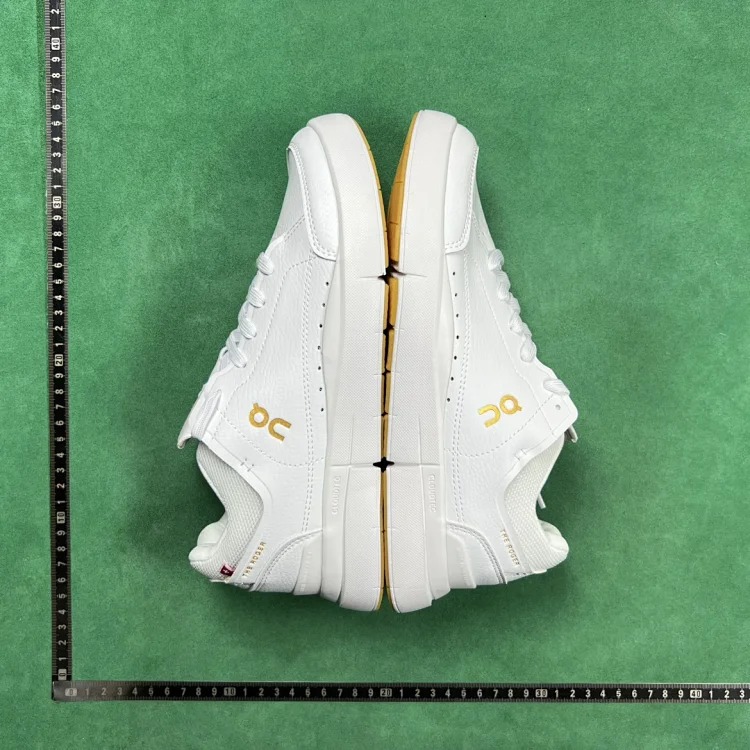
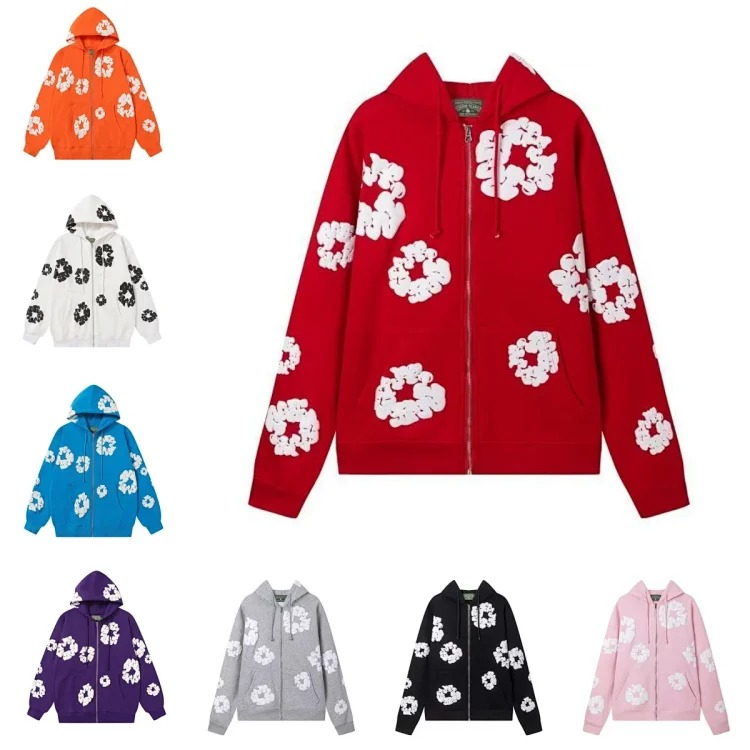
For example, a low-cut sneaker listing deserves questions about fit, outsole and cushioning claims, while a versatile hoodie listing needs fabric and garment measurements. The same score without category-specific criteria would be misleading.
Check seller details and claims at their source
Capture the seller or shop name when the page shows it, the full listing title, the exact color or size choice and any stated material or dispatch note. Keep a screenshot or dated note if a claim matters to your decision. Seller text is a claim until you can verify it. A phrase such as “lightweight” does not tell you the packed weight, and a branded term in a title does not establish origin or authenticity. Avoid making those leaps in your published notes or personal sheet.
Compare the product page with the agent's purchase record. If the color, strap length, closure or included accessory changes, update the row and reconsider the option. Do not let notes for one variation sit next to a different product. When the seller information is incomplete, write a precise question for the agent or seller. A direct question about the selected option produces a better answer than “is this good quality?”
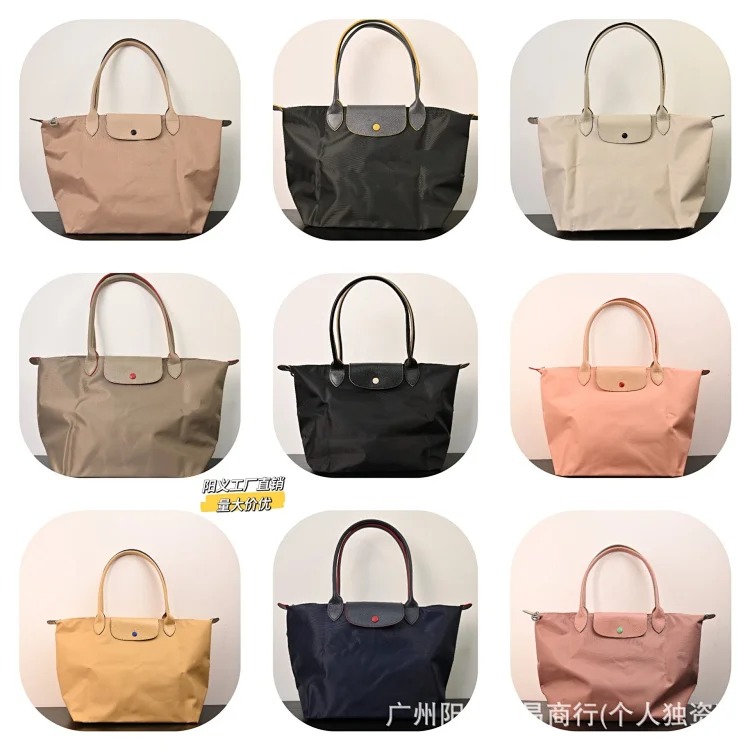
A nylon handbag listing and an Oblique-pattern messenger bag listing illustrate why material, shape and hardware questions must be specific to the item. Record which features you can actually see, and which remain seller descriptions.

Use QC photos and measurements to test the shortlist
Prepare the QC request before the parcel reaches a warehouse. Ask for views that answer a specific question: front, back and side; labels or size tags; seams, embroidery, print alignment, closures and any area where a defect would matter. Request neutral lighting when color is important. For shoes, inspect both shoes and their outsoles. For a hoodie, inspect the print, stitching, cuffs and interior tag. For a bag, ask for the interior, corners, zipper, strap attachment and hardware.
Measurements deserve the same discipline. Compare centimeters with a similar item you already own. Garments may require chest, shoulder, length and sleeve. Shoes may require insole length, with the measurement method stated. Bags need width, height, depth, opening and strap drop. A watch needs case and strap dimensions; a cap needs circumference range and crown depth. A generic size label should not stand in for those numbers. Mark whether each figure came from the seller page or an actual QC measurement photo.
Visual evidence has limits. Photos can reveal visible condition and whether the selected variant seems correct; they cannot prove long-term durability, waterproofing or comfort. If an essential detail is obscured, leave the item on hold rather than treating silence as approval. Our PandaBuy QC photos guide gives a fuller inspection sequence.
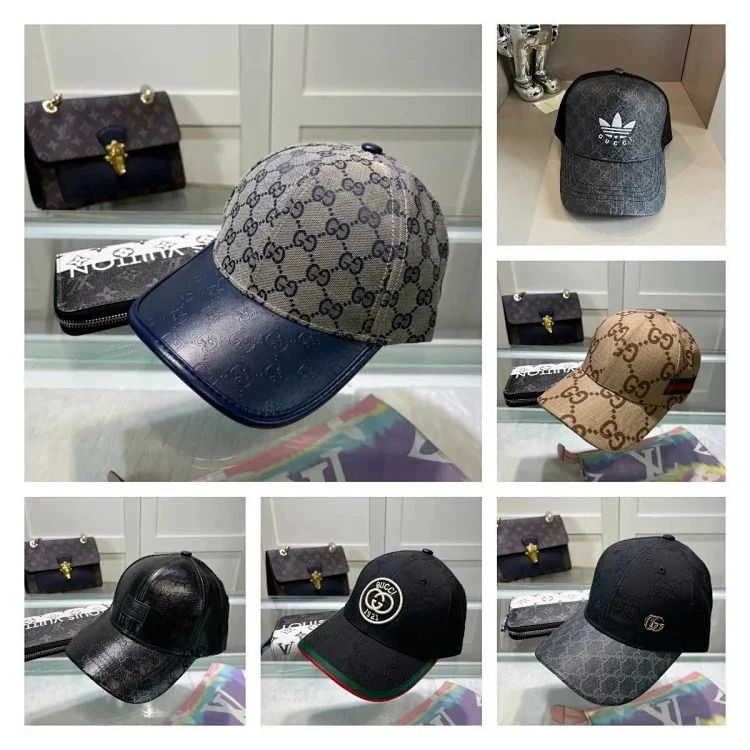
The PZ88 R-1 watch page and baseball cap page show how much the required detail views differ by category. A dial close-up does not answer a cap-fit question, and a front cap photo does not show its interior band.

Include the agent route and shipping in the comparison
A promising product may still be a poor choice for your current parcel. Track the agent route in stages: direct link reviewed, seller and variant confirmed, purchase placed, warehouse arrival, QC requested, QC reviewed and parcel planned. If a page changes during that sequence, note the change and the date. This prevents a newer listing image from being confused with the item already purchased.
Shipping notes should include packed weight and dimensions once known, the protection needed, destination restrictions and available routes. Shoes can take more volume with their box. A structured bag or cap may need support to preserve its shape. A watch needs cushioning and separation from heavier items. Compare current agent and carrier terms before payment for shipment; an old quote or a prior parcel does not guarantee a route or delivery time today.
Write the expected extra costs as questions until they are confirmed: protective packaging, optional box removal, consolidation and any route-specific charge. This makes a low product price easier to evaluate in context. The final choice should account for the whole process, including what you still cannot verify.
Keep a short, evidence-based final list
At the end of each weekly review, remove duplicate or dead links. Keep an item only if the row states its purpose, seller details, size evidence, QC questions, agent status and shipping plan. Explain in one sentence why it remains on the shortlist. “Fits my measured hoodie reference and has complete QC views” is useful; “everyone says it is the best” is not an inspection result.
Browse the PandaBuy Sheet categories for a focused starting point and follow the sheet checklist for a consistent review process. After delivery, record whether the observed fit, packing and condition matched your expectations. Those notes improve the next comparison and help turn a changing set of product links into a practical research resource.