PandaBuy Best Sheet home / PandaBuy news guides
PandaBuy Hat Finds: Shape, Size, Material, and Shipping Guide
PandaBuy hat finds are easy to save and surprisingly easy to judge too quickly. A cap, beanie, or bucket style may look right in a single listing image, yet the useful purchase questions are more practical: does the crown retain its shape, how was the size stated, what material is claimed, can the agent provide clear QC photos, and will the selected shipping method protect the item? A research sheet makes those questions visible before a link becomes an order.
This guide provides an evidence-first routine for reviewing hat pages. The OutfitReps examples are direct product pages to investigate, not promises about inventory, construction, provenance, fit, or delivery. Recheck every listing for the current variant, price, photos, seller details, and dispatch information. Keeping the date of each review beside the URL is one of the simplest ways to prevent an old product image from becoming an unsupported conclusion.
Classify the shape before adding a PandaBuy hat find
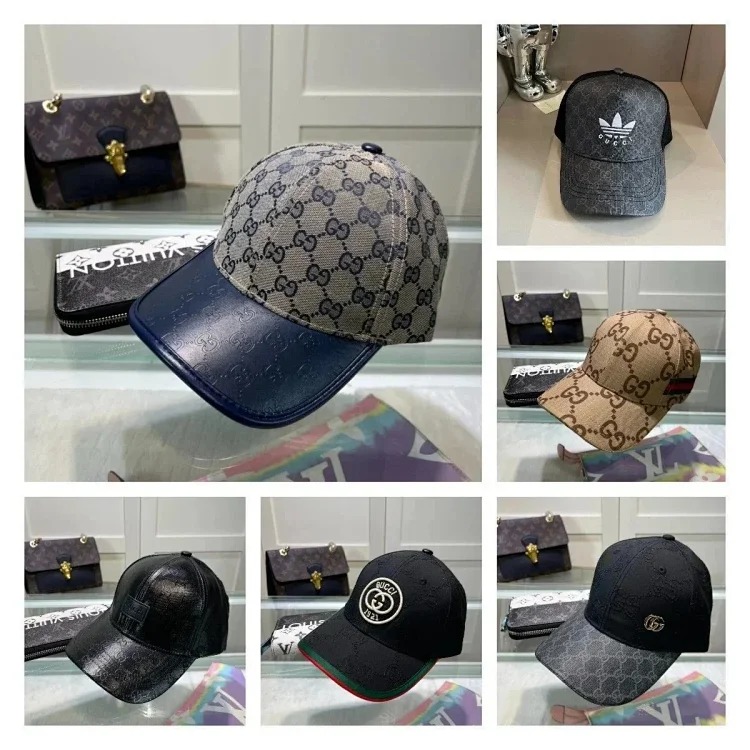
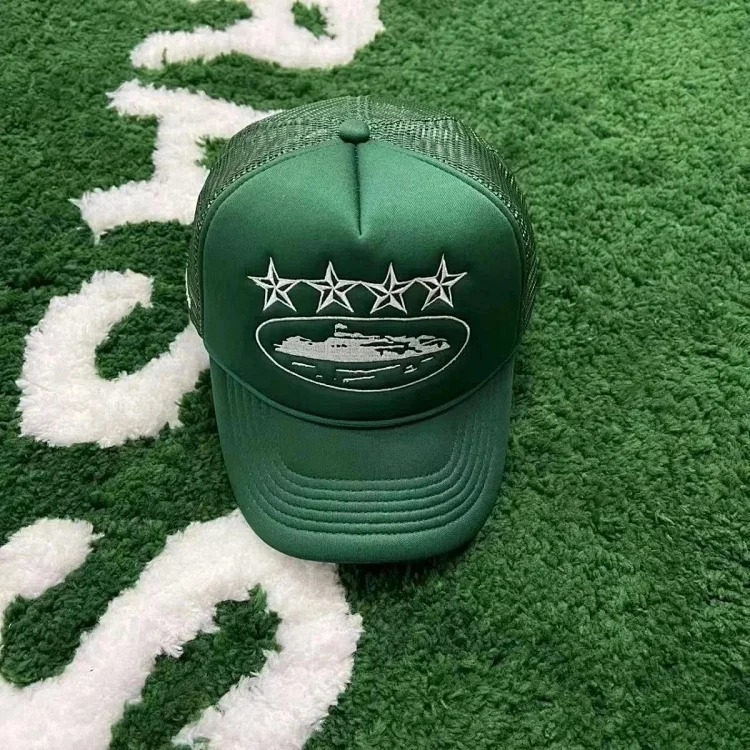
Start with the hat type and the role it will play. A structured baseball cap, soft unstructured cap, knitted beanie, bucket, or visor will need different QC photos and packing decisions. In a PandaBuy spreadsheet, give each row a shape field: crown height, panel count when relevant, brim curve, closure type, and whether the item should arrive folded, flat, or supported. Then add a purpose field such as daily wear, travel, cold-weather layer, or outfit accent.
That short classification avoids a common problem with random product lists: unrelated products are compared only by a title or a logo-like detail. Two caps can have a similar color but a different crown profile, closure, fabric weight, and fit. Record the observed product facts separately from your preference. If the listing omits a specification, use “not stated” rather than inventing it from a photograph.
Save seller details and material claims without guessing
A reliable row begins with a direct link and a seller record. Capture the visible seller or shop name when available, exact listing title, selected color, material description, stated dimensions, price, and the date you reviewed the page. Seller details should not be mixed with an assumption that a material feels heavy, soft, waterproof, or durable. Those are qualities that need either a clear product specification, a QC observation, or a later real-world note.
For a knit hat, material composition and stretch information may affect the fit decision. For a cap, look for fabric, internal band, closure hardware, lining, embroidery or print method, and brim construction. Add a question column for anything that cannot be determined. This makes the next agent message concise: you are asking for a measurement or photograph, not asking an agent to infer a vague quality standard.
Use QC photos and sizing measurements together
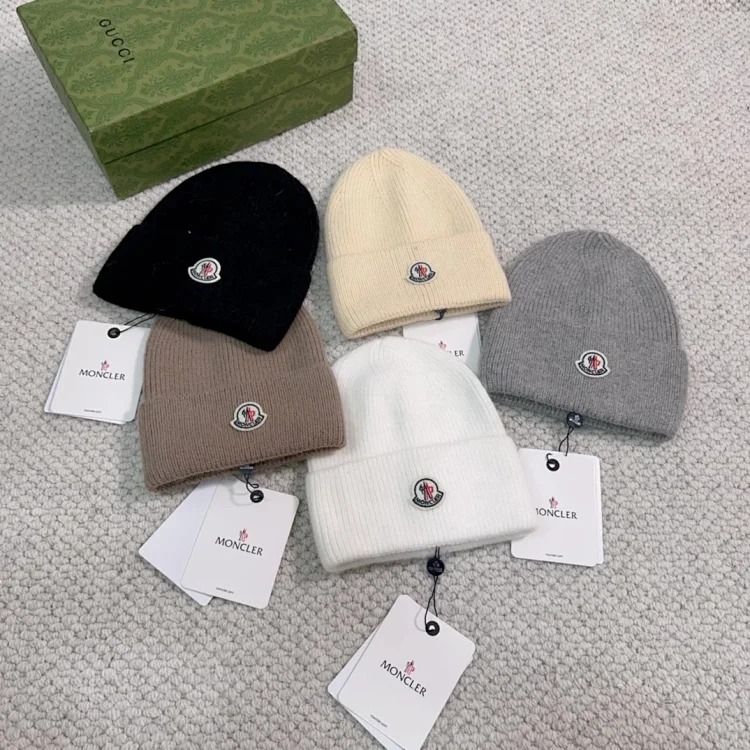
QC photos should answer a checklist you write in advance. For a cap, request a front view, both sides, top, underside of the brim, interior band, closure, labels, and close images of embroidery, seams, or print placement. For a beanie, request front, back, interior tag, knit texture, and a flat measurement. Keep lighting in mind: neutral light helps distinguish actual color from a display image that is warm or heavily edited.
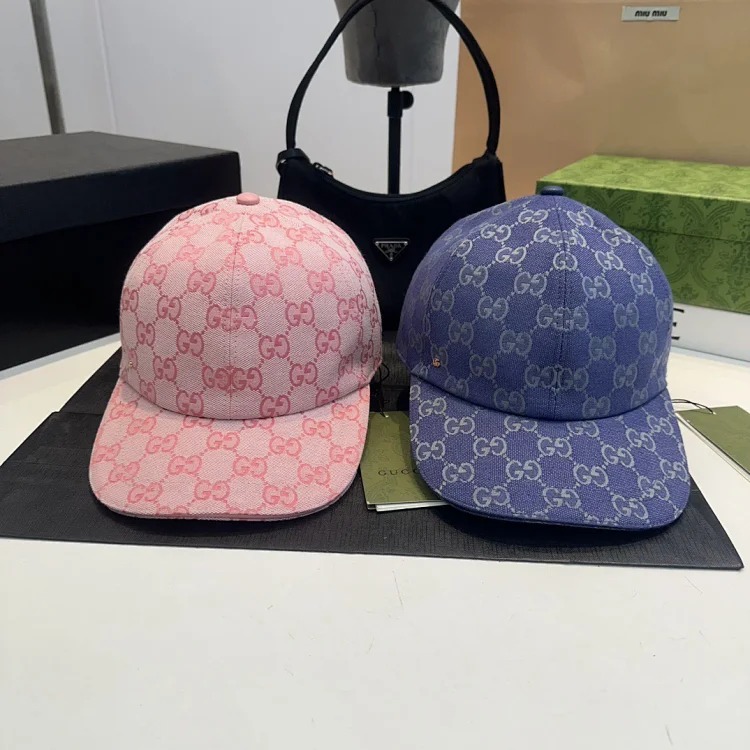
Size needs a measurement plan as well. Note the seller’s stated circumference range, crown depth, brim length, opening width, and closure adjustment range if available. Ask for an agent measurement photo when any of these values decide whether the hat will fit. Compare in centimeters with a hat you already use, and record whether a number came from the seller, the product page, or a QC photo. “One size” is not a measurement and should never be the last word in a sizing review.
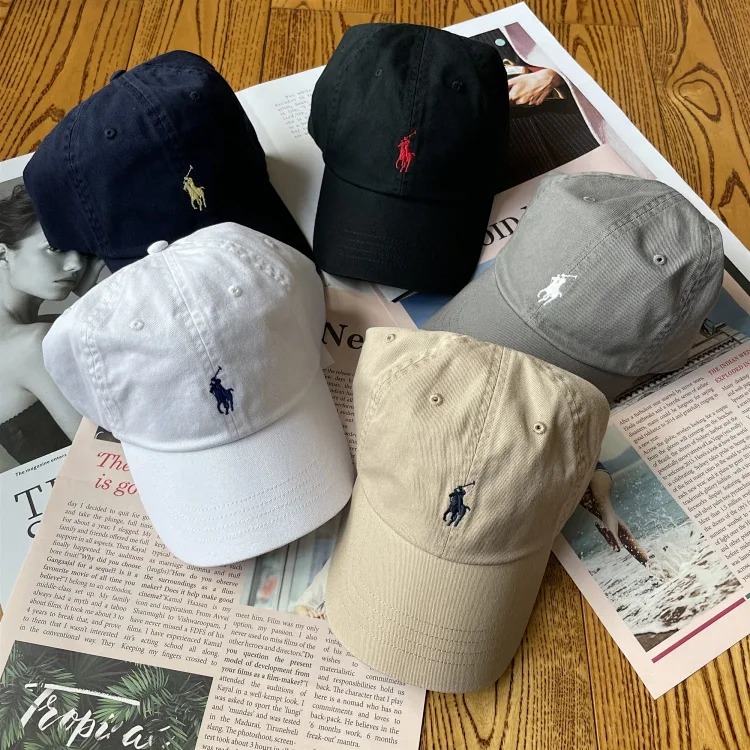
Plan the agent route and shipping notes before checkout
A hat find becomes a workable order only after its agent route is planned. Track steps separately: listing reviewed, seller details saved, variant chosen, agent purchase placed, warehouse arrival, QC requested, QC approved, and parcel planning. If a seller substitutes a color or changes an option, revise the sheet row and repeat the review. Clear status fields prevent a saved image from being mistaken for an item already verified at the warehouse.
Shipping notes are especially important for structured hats. Write whether the crown needs support, whether the brim should be protected, whether it can be packed flat, and whether it should be separated from heavy shoes or hard accessories. Also record the current destination restrictions, available agent routes, estimated packed dimensions once known, and any shipping costs you need to compare. Do not claim a line will accept an item or give a delivery date until you confirm the current agent and carrier rules.
Review the sheet after delivery and keep only useful data
Schedule a review each week. Remove duplicates, flag dead pages, and retain products only where the direct link, seller details, QC plan, measurement notes, agent route, and shipping notes have a clear next action. Browse the PandaBuy Sheet categories when you need to organize related items, and return to the guide checklist to keep your review format consistent across clothing and accessories.
For a fuller image review process, use the related PandaBuy QC photos inspection workflow. It helps turn warehouse photos into concrete approval criteria. After delivery, write a private note on fit, packing condition, and whether actual measurements matched the row. These outcome notes are what make the next PandaBuy hat finds decision faster and more grounded.
The goal is a compact research board, not a long list of unverified hats. When each row documents shape, material claims, seller details, sizing, requested QC photos, agent route, and shipping preparation, you can compare product pages with care and decide what truly deserves a place in the sheet. Save your final review date and unresolved questions so later decisions have context.