PandaBuy hoodie finds are easier to judge when every listing is reviewed with the same evidence. A dramatic product photo may hide a thin body fabric, a narrow hood, short sleeves, or a size chart copied from another item. Instead of saving a hoodie because its graphic or color looks convincing, record what the page actually proves about material, construction, measurements, seller details, purchase route, and parcel cost.
This guide applies one repeatable checklist to six current OutfitReps hoodie pages. The links are research examples, not quality guarantees. Product options, seller information, price, and availability can change, so reopen the exact page before ordering. The goal is to create a useful shortlist: each surviving hoodie should have enough listing evidence for a sizing decision and enough visible detail for a later QC comparison.
Filter PandaBuy Hoodie Finds by Fabric and Construction Evidence
Begin with fabric composition, weight, surface texture, and intended season. “Cotton” alone is incomplete: a cotton-rich fleece behaves differently from a lightweight loopback knit, and a blend may resist shrinkage while feeling less breathable. If grams per square metre are shown, record them, but do not treat weight as an automatic quality score. Dense fabric can suit a structured winter hoodie, while a lighter knit may be better for layering in mild weather.
Look for close views of the inside face, ribbing, cuffs, hem, pocket joins, zipper tape, drawcord hardware, and shoulder seams. For printed styles, check whether the seller supplies sharp images of edges, alignment, and color. For embroidered styles, look for the reverse side and thread density. A listing that provides only styled distance shots should remain “evidence incomplete,” regardless of how attractive the model photos appear.
| Hoodie field | Evidence to save | Reason it matters |
|---|---|---|
| Fabric | Composition, inner face, stated weight | Predicts warmth, drape, and care needs |
| Shape | Shoulder, body width, sleeve and hem | Separates oversized design from wrong sizing |
| Construction | Seams, ribbing, pocket, hood and zipper | Creates specific QC checkpoints |
| Seller details | Exact option, update date, price and terms | Reduces variant and substitution mistakes |
Compare Six Current OutfitReps Hoodie Examples
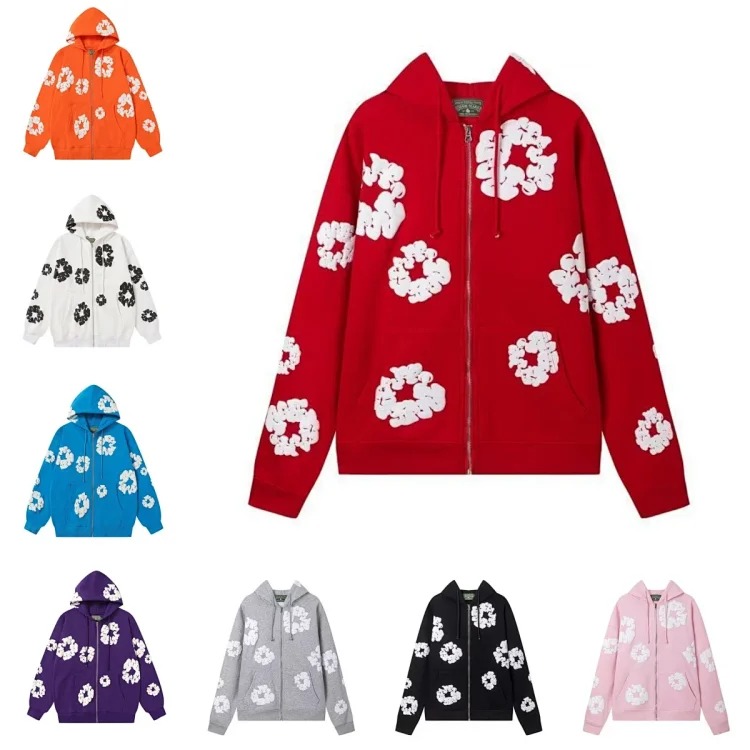
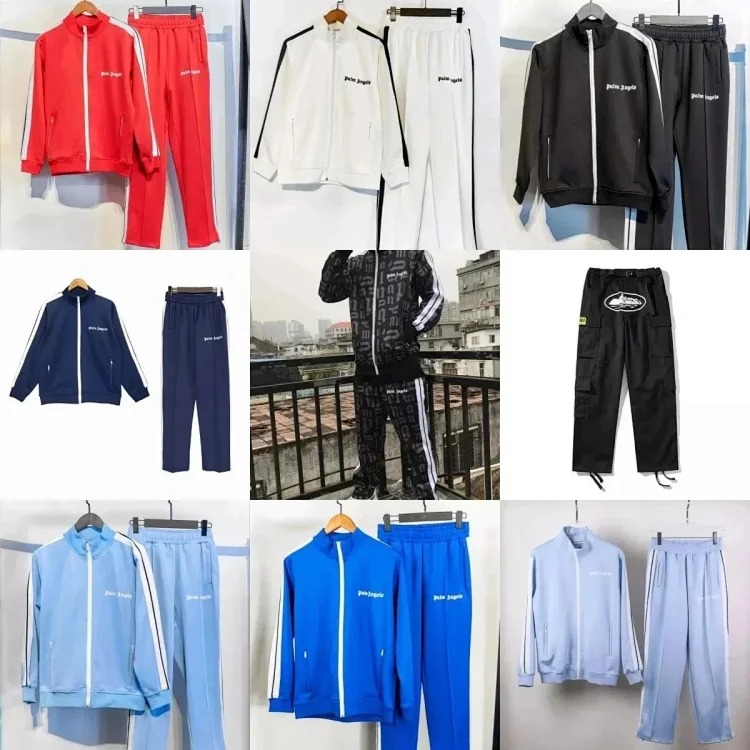
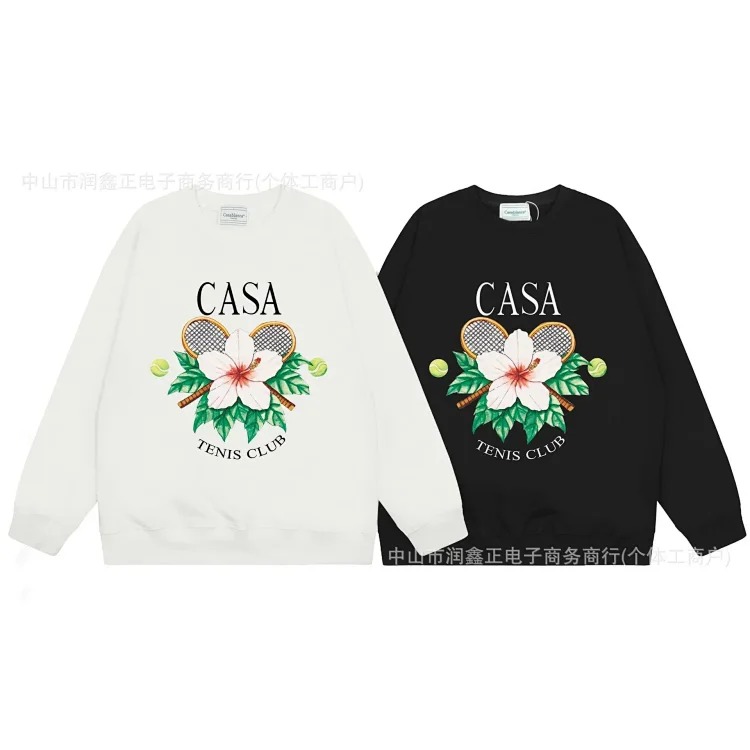
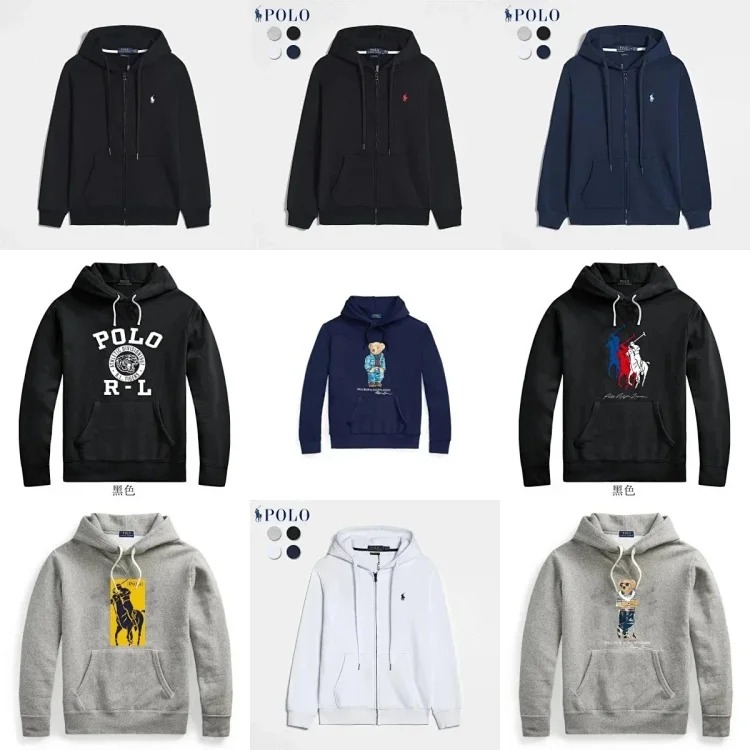
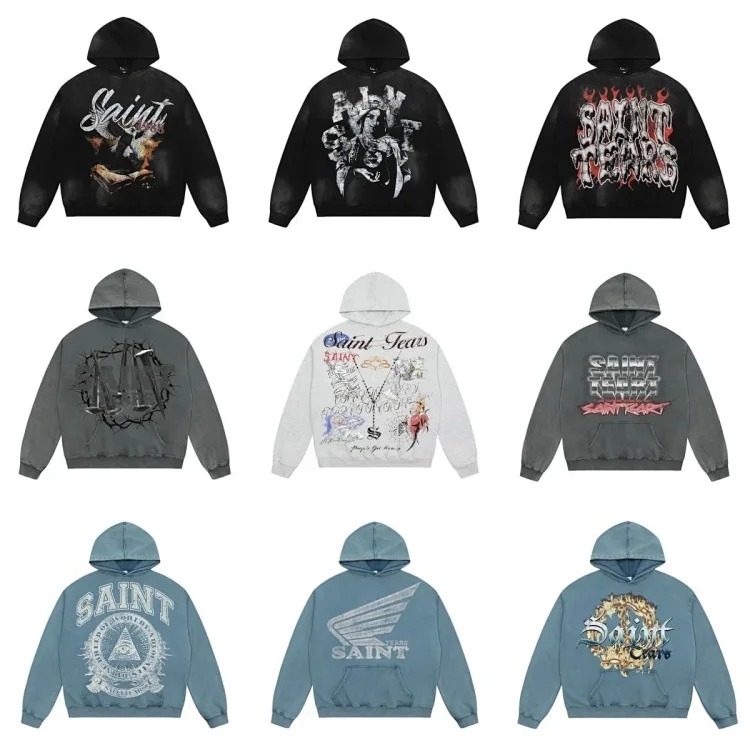
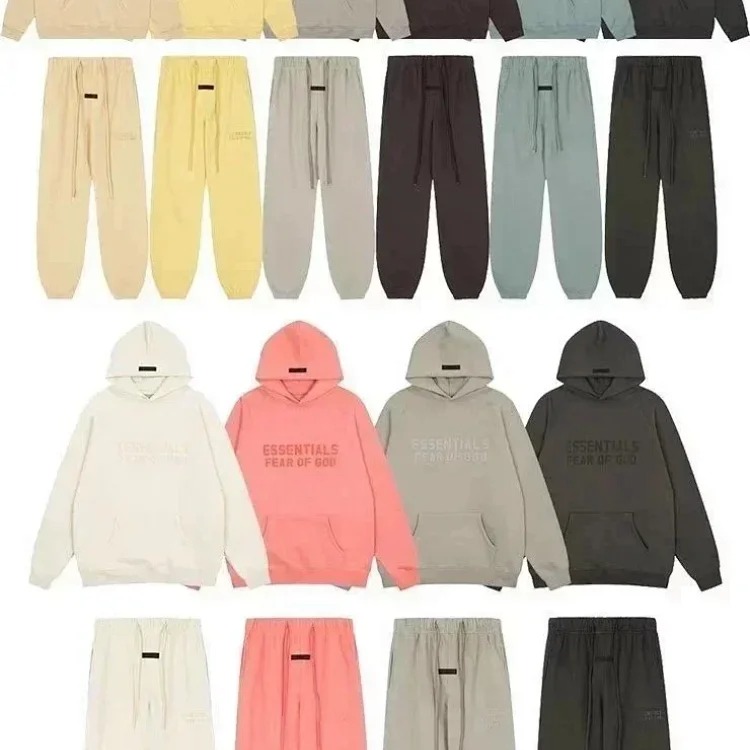
Give every candidate an intended use before comparing it. A heavy pullover for cold commutes, a flexible set for travel, and a thin layering sweatshirt should not be ranked by the same single standard. Record whether the product needs to work over a T-shirt, under a jacket, or as an outer layer. Then compare only the details that support that use: hood depth, shoulder freedom, pocket security, cuff recovery, or fabric warmth.
Keep the exact URL attached to each note. Similar names and recycled images can make two listings appear identical when their options, seller record, or material details differ. A useful PandaBuy sheet stores the page, review date, chosen color, proposed size, and unanswered questions in the same row. Browse the site's PandaBuy product categories when you need to compare a hoodie with jackets, trousers, shoes, bags, or other pieces in the planned outfit.
Convert Size Charts and QC Photos into a Fit Decision
Choose size by garment measurements, not a familiar letter alone. Lay a hoodie you already like flat without stretching it. Measure chest width from armpit to armpit, shoulder width, back length, sleeve length using the same starting point as the seller chart, cuff opening, and hem width. Compare those values with the candidate. Allow for the intended layer underneath and for possible washing shrinkage when the material information supports that concern.
Oversized language is not a measurement. A dropped shoulder can add width while a short body still changes the silhouette. Raglan sleeves cannot be compared directly with set-in sleeves unless the measurement method is clear. If the chart is missing, inconsistent, or uses unexplained ranges, ask the shopping agent to confirm measurements rather than guessing. Save both the requested method and the returned warehouse measurement in the product row.
Write the QC request before payment. Ask for a straight front and back photo, hood shape, both side seams, cuffs, hem, pocket or zipper, size tag, wash label, graphic detail, and ruler photos for the dimensions that determine fit. Compare the received photos with the listing evidence, not with memory. Check symmetry, print placement, loose threads, stains, rib distortion, zipper alignment, and whether the ordered option matches. The full PandaBuy QC checklist provides a broader photo workflow.
Verify Seller Details, Agent Route, and Hoodie Shipping Cost
Seller details should include the exact source, variant wording, displayed price, size range, fabric claim, update date, and any exchange limitation. Note whether images and descriptions stay consistent across colors. If a detail matters to the decision but is absent, label it unknown. Avoid turning translation ambiguity into a confident material or fit claim. Screenshot critical option names when the agent interface uses different wording from the research page.
Confirm the agent route immediately before ordering. The shopping agent must be able to open the source, select the correct size and color, contact the seller, receive warehouse photos, and ship the category to the destination. Review route restrictions for branded goods and any destination-specific customs or carrier rules. Agent support is time-sensitive, so record the check date and do not reuse an old route decision without verification.
Hoodies often have moderate scale weight but substantial volumetric weight. Thick fleece, a large hood, and rigid packaging can occupy more parcel space than expected. Estimate landed cost using product price, domestic delivery, agent fees, international freight, and possible tax or duty. Ask whether vacuum packing is appropriate; it can reduce volume but may crease graphics, embroidery, or structured details. Combine items only after checking whether the parcel moves into a more expensive weight band.
Use a Final Hoodie Checklist Before Saving or Ordering
- Fabric: composition, inside texture, seasonal purpose, and care risk are recorded.
- Fit: chest, shoulder, length, sleeve, cuff, and hem are compared with a known hoodie.
- QC: photo angles and measurement requests are written before ordering.
- Seller details: source, exact variant, price, options, and uncertain claims remain visible.
- Agent route: current purchasing, communication, warehouse, and destination support are confirmed.
- Shipping notes: expected weight, volume, packing choice, restrictions, and landed cost are reviewed.
Score each section as confirmed, needs evidence, or failed. A missing fashion detail may be tolerable; a missing fit measurement or unavailable agent route is not. Keep a find only when unresolved questions have a clear next action. Reject it when the seller page cannot support a reasonable QC reference or when realistic shipping turns an average option into poor value.
This approach turns PandaBuy hoodie finds into a comparison process rather than a gallery of links. Start with the PandaBuy Best Sheet homepage, use the PandaBuy guides library for additional workflows, and review the related PandaBuy product research board guide when building a multi-category shortlist. Recheck every live page and route before payment because product and logistics information can change.